Ermi Testing in Bergen County, NJ
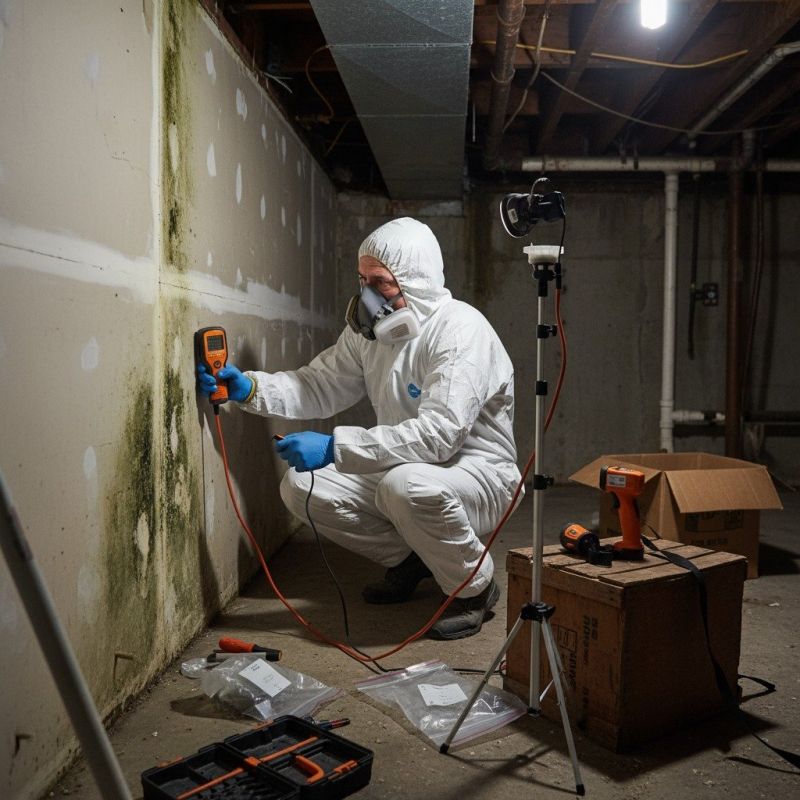
ERMI testing services provide homeowners with a way to assess the presence of mold and other airborne particles inside residential properties. This testing involves collecting dust samples from various areas of a home to analyze the levels of mold species, including potentially harmful types. Property owners often request ERMI testing when experiencing unexplained allergy symptoms, persistent musty odors, or after water damage or flooding incidents, to better understand indoor air quality and identify potential health risks.
Before requesting ERMI testing, property owners typically want to know which areas of the home should be sampled and what the results can reveal about indoor mold conditions. It’s common to seek guidance on how the testing results might influence decisions regarding mold remediation, ventilation improvements, or other indoor air quality measures. Understanding the scope of the testing process and what information it provides can help homeowners make informed choices about their property's health and safety.
Many property owners in Bergen County, NJ look into ERMI Testing for repairs, replacements, upgrades, and appearance-related improvements.
Understanding Ermi Testing
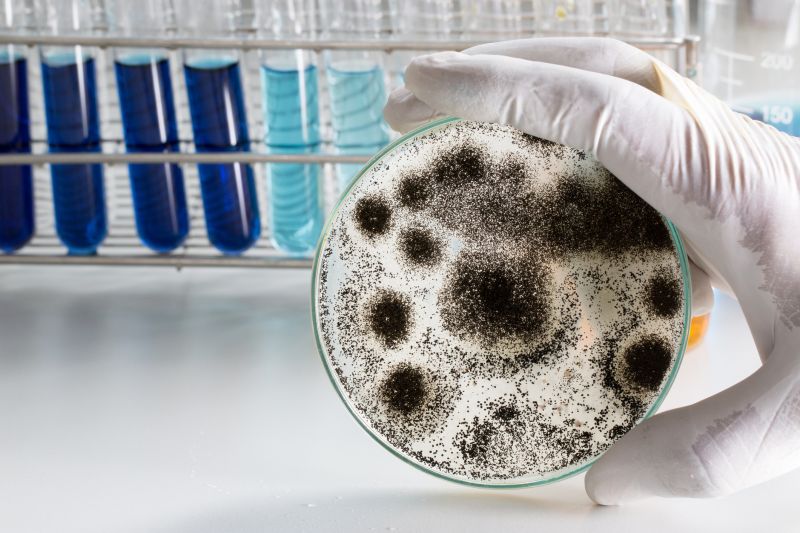
Ermi testing helps identify mold issues that may affect indoor air quality in bergen county homes.
Common Uses Of Ermi Testing
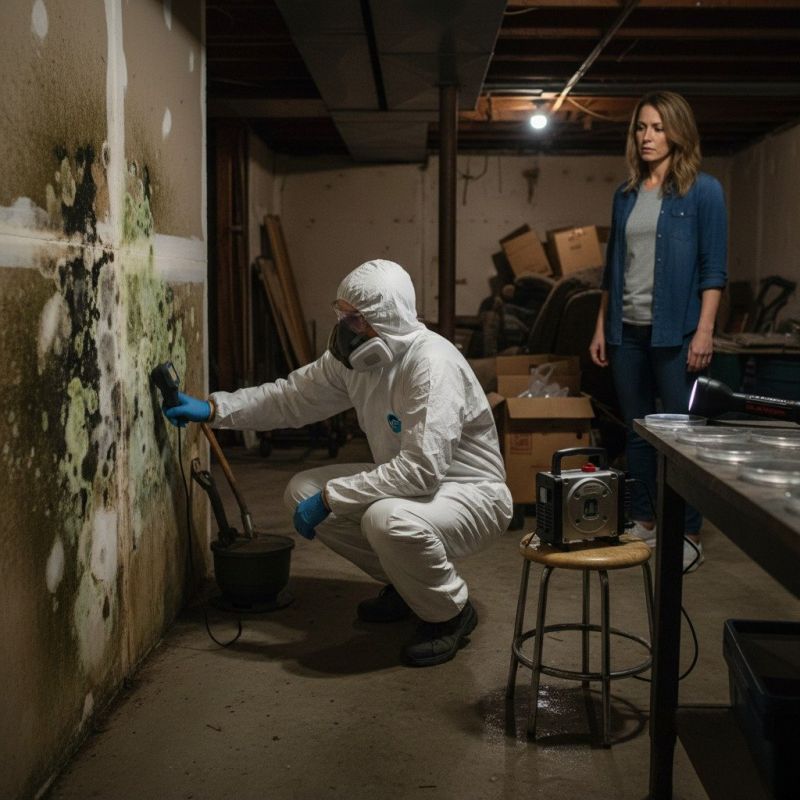
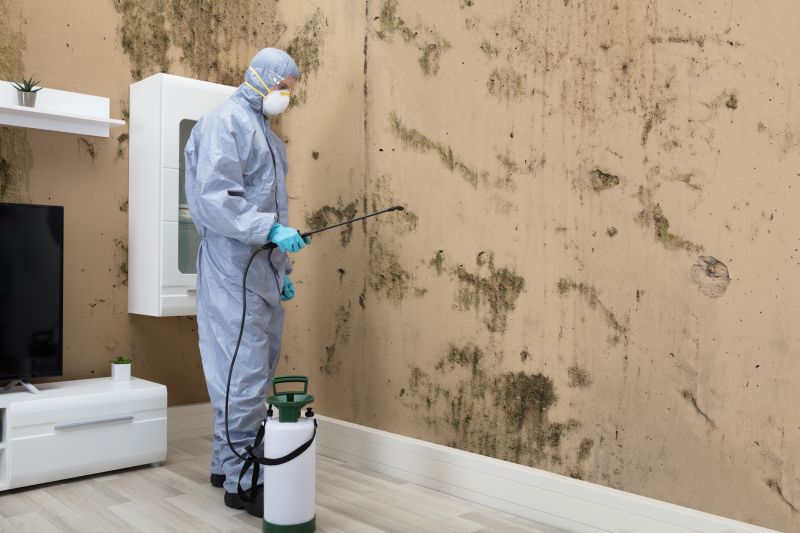
Property owners often request ermi testing after water damage, flooding, or suspected mold growth indoors.
Benefits Of Ermi Analysis
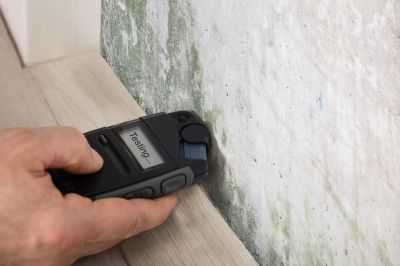
Accurate ermi testing provides valuable insights for effective mold remediation and healthier living environments.
Ermi Testing in Bergen County, NJ
ERMI testing services provide homeowners with a way to assess the presence of mold and other airborne particles inside residential properties. This testing involves collecting dust samples from various areas of a home to analyze the levels of mold species, including potentially harmful types. Property owners often request ERMI testing when experiencing unexplained allergy symptoms, persistent musty odors, or after water damage or flooding incidents, to better understand indoor air quality and identify potential health risks.
Before requesting ERMI testing, property owners typically want to know which areas of the home should be sampled and what the results can reveal about indoor mold conditions. It’s common to seek guidance on how the testing results might influence decisions regarding mold remediation, ventilation improvements, or other indoor air quality measures. Understanding the scope of the testing process and what information it provides can help homeowners make informed choices about their property's health and safety.
Many property owners in Bergen County, NJ look into ERMI Testing for repairs, replacements, upgrades, and appearance-related improvements.
Common Ermi Testing Jobs
ERMI Testing - Identifies mold species and levels in indoor environments.
Mold assessment - Detects hidden mold growth that may affect indoor air quality.
Indoor air quality testing - Measures mold spores and allergens in living spaces.
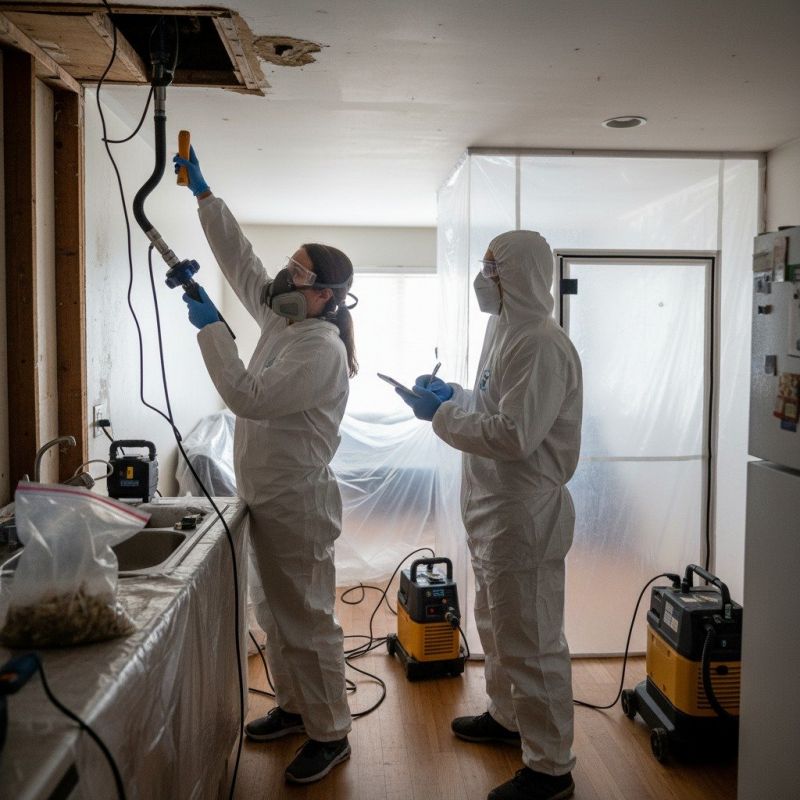
Environmental sampling - Collects samples from surfaces and air for detailed analysis.
Property inspection - Evaluates mold risks during real estate transactions or renovations.
Health risk evaluation - Provides information to address mold-related health concerns.
Ermi Testing Questions
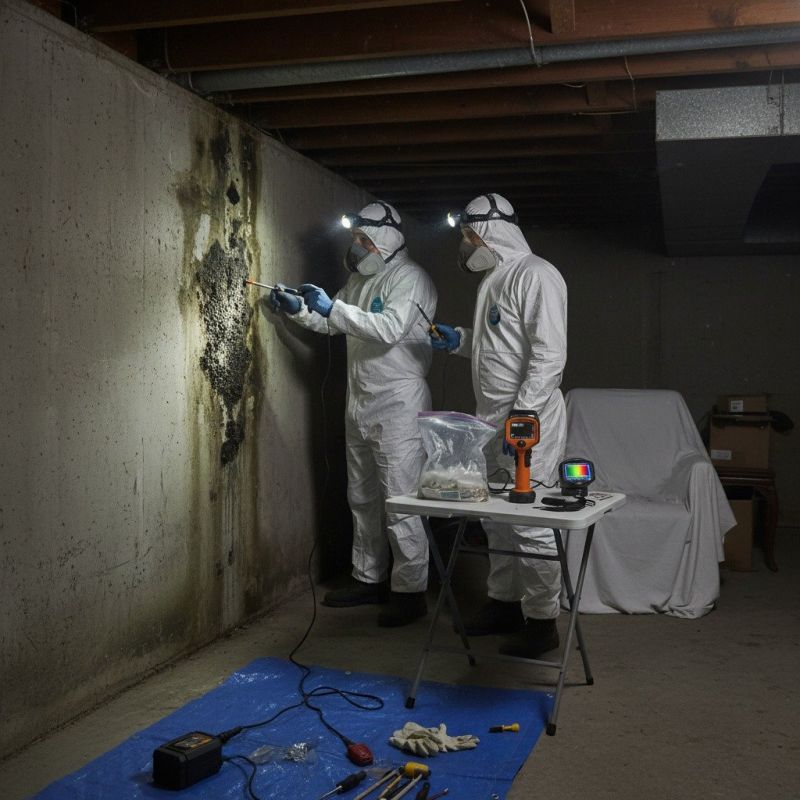
What is ERMI testing? ERMI testing measures the levels of mold DNA in dust samples to identify mold contamination in a property.
Why is ERMI testing important? It helps detect hidden mold issues that may affect indoor air quality and health.
Which properties benefit from ERMI testing? Homes and buildings experiencing mold growth, musty odors, or moisture problems may find ERMI testing useful.
How does ERMI testing work? A sample of dust is collected and analyzed in a lab to identify mold species and their concentrations.
Request Ermi Testing in Bergen County, NJ
Use the quote form on this page to share the basics of your project and request more information for the type of work you need.